
Writer and Narrative Designer Eric Rivers discusses The Hearth and Harbour’s narrative influences and inspirations – from other games, to films, literature and stage plays
Any game, any work of art really, is the sum of its influences. This does not mean that every book/film/song/what-have-you is a pick and mix assortment of visuals and plot elements from other works, but every person’s concept of what is good, interesting, compelling or just outright fun, is the result of years of exposure to works with a lasting impact, for better or worse.
I’ve always upheld the importance of maintaining a healthy diet of media; not just to better identify overwrought cliche, and not just to recognise literary patterns, either. More important than anything is to be able to look at art, and to realise what compels you about it, and why. I will watch films I love, films I hate, films I cannot be too sure on, and all the while I learn more about myself; what about this film challenges me so? For those I was bored by, what did I want them to be? How would I have approached it differently if the pen was in my hand?
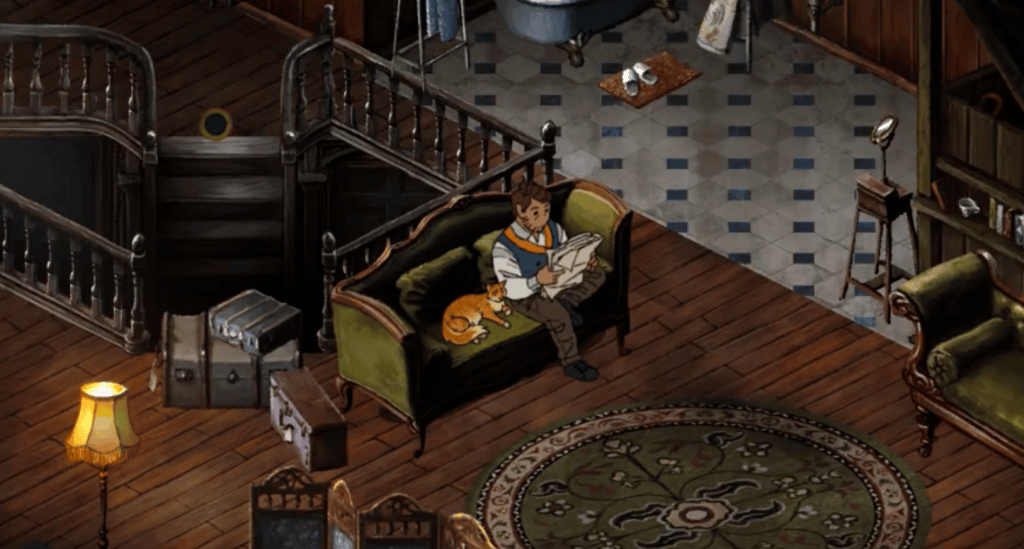
One major influence when designing The Hearth & Harbour should come as no surprise, considering the genre. Just about every job/life sim shares some DNA with Harvest Moon, even if the creator was inspired moreso by a work downwind of the series that popularised and informed so much of genre conventions.
My own experience with Harvest Moon was a lesson in patience. When I first played the original Harvest Moon, I bounced off of it immediately. The concept was appealing to me, I was charmed by the art and the characters (the game hands you an adorable dog almost immediately, one of the most goodwill bribes a game can provide), and yet I simply couldn’t fathom the idea of playing a game where I was expected to wait. What do you mean I can’t go to the shop because it’s night? It takes HOW many days to grow a turnip… and that’s the fastest growing crop? Safe to say, my younger self felt he wasn’t progressing at a reasonable speed, and soon gave up.
And yet, something about the game compelled me. I couldn’t stop thinking about the time I spent, in my mind wasted, just existing on that farm. I would give the Nintendo 64 edition of the series another chance, and again I would find myself unable to keep up with such a slow pace. It would take until Harvest Moon: Save The Homeland that I had finally developed a sense of patience, and I was able to finally understand the appeal of these games; in my focus on questions of “where is this going, how do I complete this”, I neglected to ask myself if I actually enjoyed working the daily life the game provided me. And I did. I loved it, in fact. My mind had been too bogged down on a hypothetical end of the road that I could not see, that I was denying myself the enjoyment of actually… well, playing the game.
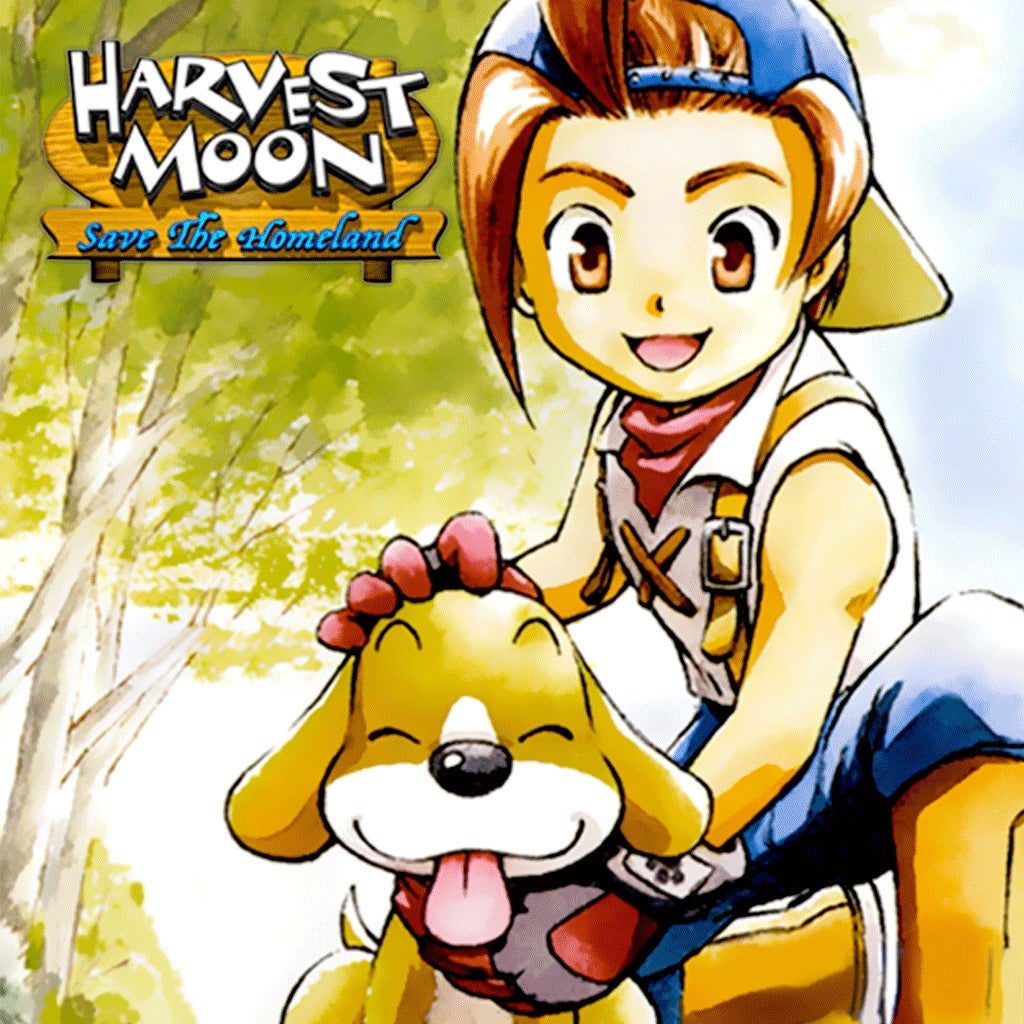
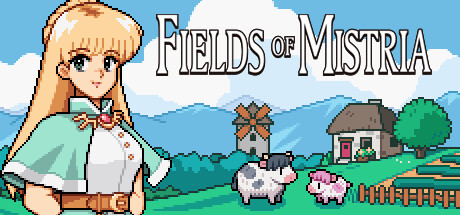
It was after that a light-bulb went off in my mind, and after picking up the portable Harvest Moon: Friends of Mineral Town I knew I had become addicted and wouldn’t look back on this genre. The series subsequent entries, the excellent spin-off series Rune Factory, and the fan-made love letter to the genre in Stardew Valley have provided me with many wonderful memories over the years, and even at time of writing, another lauded entry into this genre (Fields of Mistria) sits installed and ready to play this weekend.
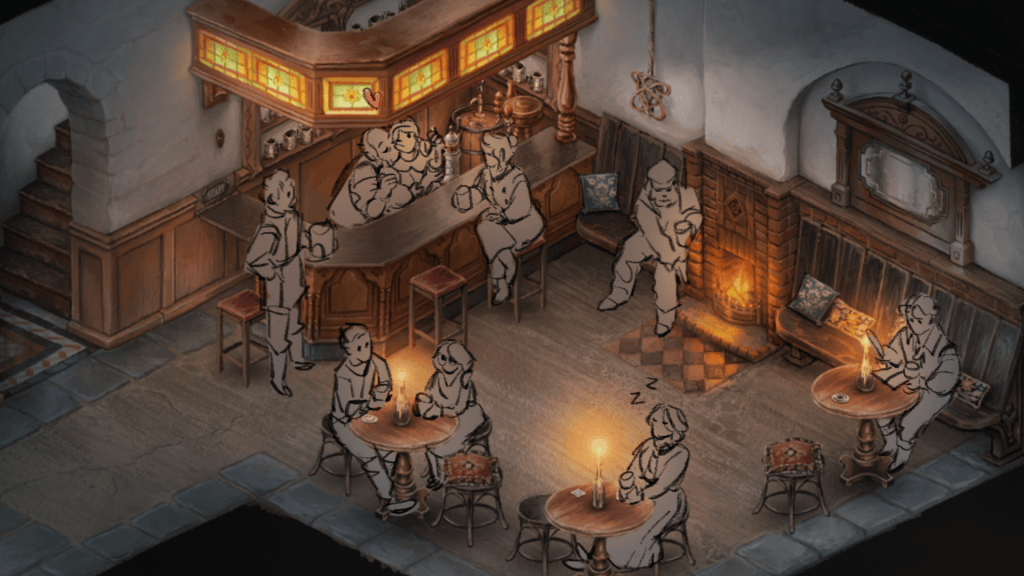
The Hearth & Harbour is of course, not a farming sim. Nor does it run on a real-time clock. But that sense of patience, the idea of making the most out of your time in a daily work/life routine was always on the mind when writing for our game. In The Hearth & Harbour, the player will be spending their time in the port city of Lewthport, in the neighbourhood of Tether’s End, and we want the player to appreciate, and indeed adore, every single day they spend within that setting. There is no destination in The Hearth & Harbour; you’re already there.
Of course, that’s only one influence, and one within the same medium to boot. I find it important that video-games look beyond just other video-games for inspiration, lest they run the risk of becoming an ouroboros, a regurgitation of ideas without any meaningful adaptation.
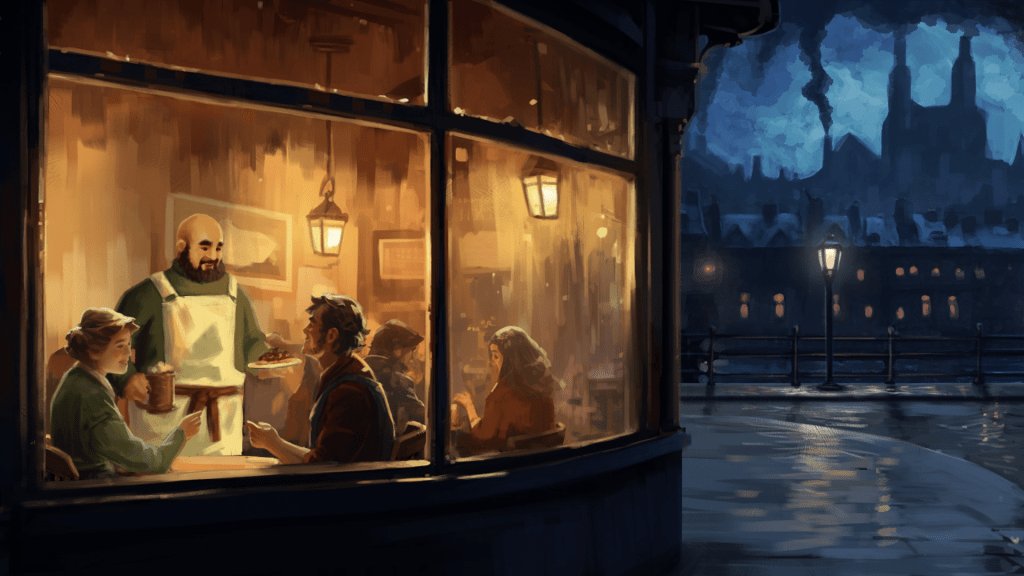
The Hearth & Harbour is first and foremost, a story about community. It’s a theme that runs through every interaction within the game. Your restaurant will not succeed without the support of loyal customers from the town, their loyalty earned by upholding a good reputation with your neighbours. Those neighbours and townspeople themselves are a fully fleshed out cast of characters; all from different backgrounds, all dealing with their own situations, but what they have in common is a desperate need for community and companionship.
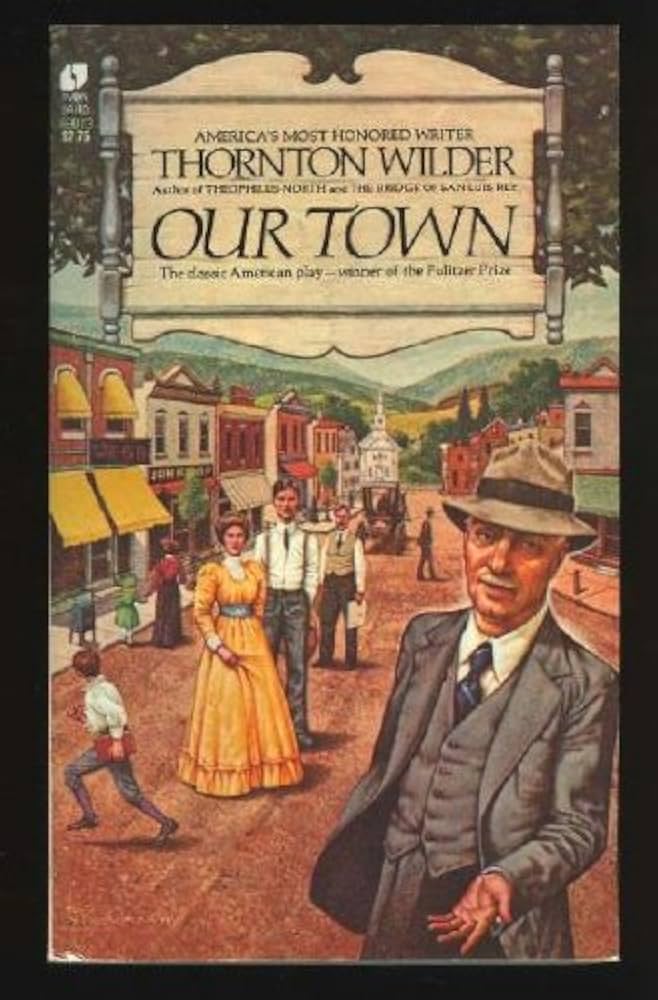
A few works come to mind when putting together such a narrative. One that immediately comes to mind is Thornton Wilder’s 1938 Stage-play, Our Town. A play as lauded as it is infamous for students studying English Lit, Our Town is known primarily for its portrayal of mundane small-town life in its most mundane. There are few plays willing to spend meaningful time in their first act on simple newspaper and milk deliveries, followed by a dry census breakdown of the setting’s demographics, but of course that is what makes Our Town so resonant. You are entrenched in the most banal of looks into lives that feel truly real, even if they aren’t particularly dramatic.
There’s a deep melancholy to the piece, made all the more powerful when years pass between acts, and we check in on those lives once more. Some in the town have passed on, others have grown up and started families of their own, but the core of the town remains the same. Love, loss, triumph and regret all come in waves, but life just continues on regardless. So too, in The Hearth & Harbour, the player will see much news of the world around them. War, political unrest, death; all occur in Lewthport as the days pass on. But the Player is not tasked with a grand quest to prevent this, they will not be tasked with serving a stew so delicious that it brings about world peace. Rather, life will go on, and it is up to the player to provide comfort and companionship for the friends and neighbours they have come to know through this daily life.
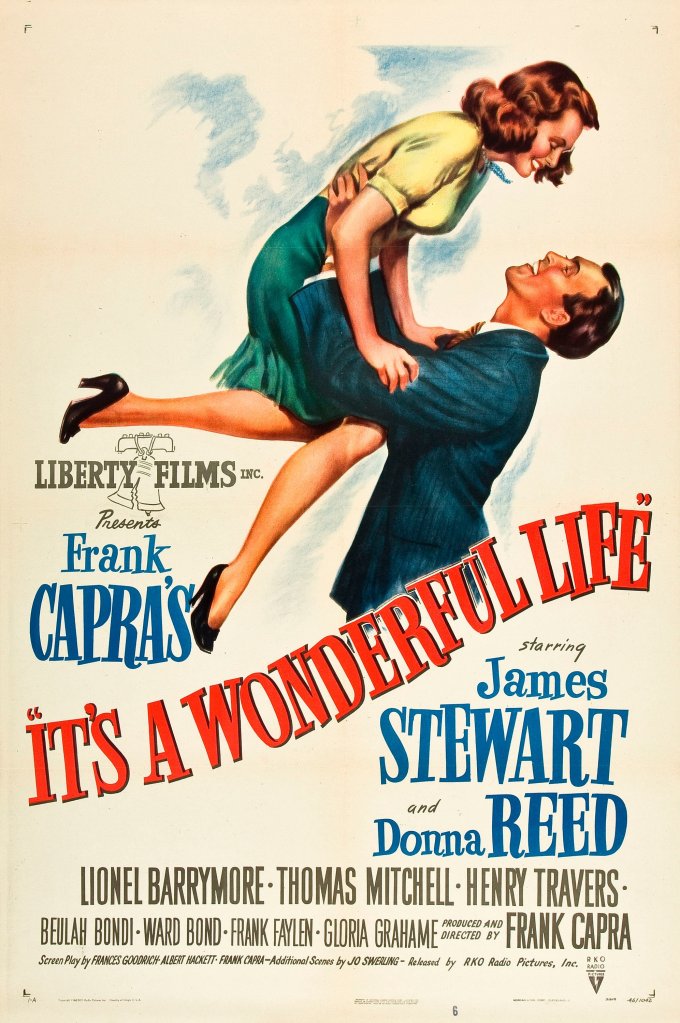
The film It’s A Wonderful Life requires little introduction, and without a doubt it held a strong influence over the story of The Hearth & Harbour. The tale of George Bailey, a man who has made sacrifice after sacrifice for his community and his family, only to be left with nothing after the meddling of cold capitalist greed, is upheld as one of the greatest works of cinema for good reason. A story of the unfairness of a cruel world, yet also one of the kindness of community, George Bailey’s story is ultimately one of triumph, a happy ending that has brought to tears everyone I have ever seen watch it. The famous line “No man is a failure who has friends” has proven something of a tagline for much of this game’s narrative, a message that has informed many of my story decisions. Of course, being a game, The Hearth and Harbour sees more than one ending in store for the player, but the player should aim to in their own way aim to become a George Bailey-esque figure for the people of Lewthport: “The richest man in town.”
These are but a few highlighted influences that have gone into the writing and narrative development of The Hearth and Harbour, but I could ramble on forever. The Tokimeki Memorial series taught me just how complex and involved the time management challenge of social/dating sim games could be. Larry Shue’s 1984 Stage-play The Foreigner, Bill Forsyth’s 1983 film Local Hero, and George Eliot’s 1861 novel Silas Marner all prove to be influential looks at townlife through the eyes of an outsider, particularly an outsider who’s initial goals; whether they be lonesome stoicism or financial exploitation, fall apart when outside forces call upon them to engage with and defend the community they’ve come to know and love.
There could be many more examples, but there is no need to belabour the point. Read books, play games, listen to music, watch films, go outside and explore the world around you, and always try new food. Good, bad, anywhere in between. You never know where your strongest inspiration will be found.
– Eric Rivers
FANART FEATURE:
On our blog posts, we share artwork created by our lovely community! We’re so grateful for your passion and support.
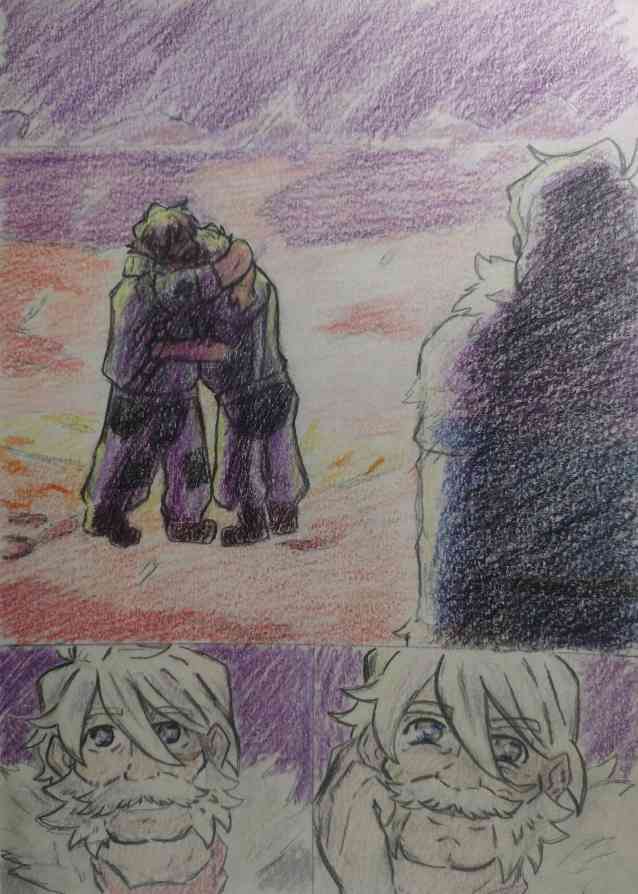
Artist: Royalty
“I wanted to recapture the warmth and relief that the Bonded achievement has within the colors and setting. Figured I can make use of the colors and textures nicely with my own traditional art.”
Links: Roytato on Bluesky
If you would like your work featured on our blog and social media, contact me:
Email: jess@saltstonestudios.com
Discord: jessanight
Thanks so much for your support, from The Pale Beyond to The Hearth and Harbour, and hopefully, beyond.
 saltstonestudios.com