
The building blocks of video game production…
Hello lovely readers!
If any of you know anything about game development, it’s likely you’ve heard of Game Design Pillars before. Thomas and Jess found out about them in Galway in 2018, where we attended a workshop run by the Game Director of the Ratchet and Clank series, Brian Allgeier. It was very exciting to get to learn from a genuine industry veteran – Ratchet and Clank is older than a lot of the Northern Irish video games industry as a whole.
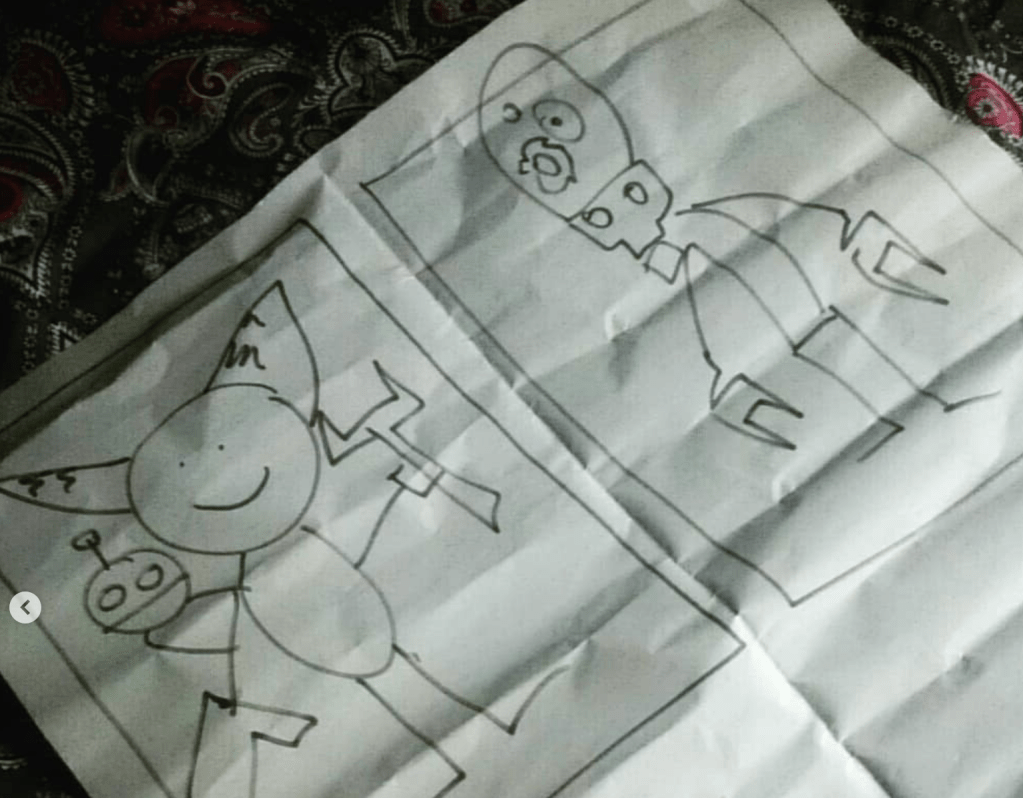
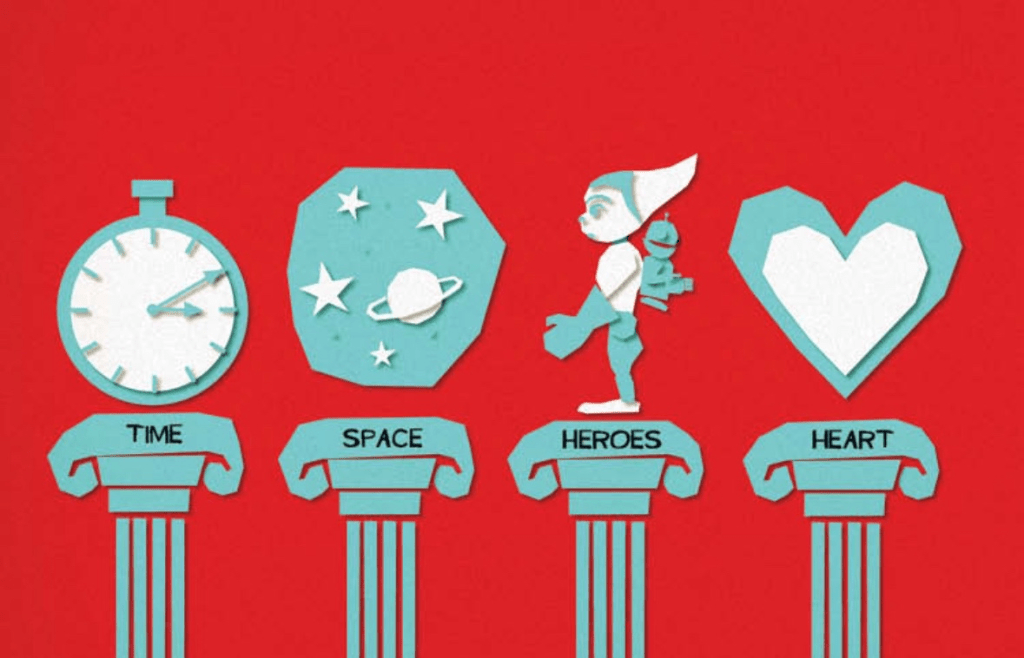
Allgeier’s book Directing Video Games: 101 Tips for Creative Leaders goes over a series of principles for creating and directing games. There’s a lot of wisdom in there, but one of the most helpful for us as new baby developers was the idea of establishing pillars for your game. Pillars are the principles you organise your entire game design around. They’re the 3-5 supporting THINGS that make your game what it is – they dictate its tone and flavour. These principles can be words, themes or ideas, and when it comes to deciding what makes it into the game, your pillars are your guidance.
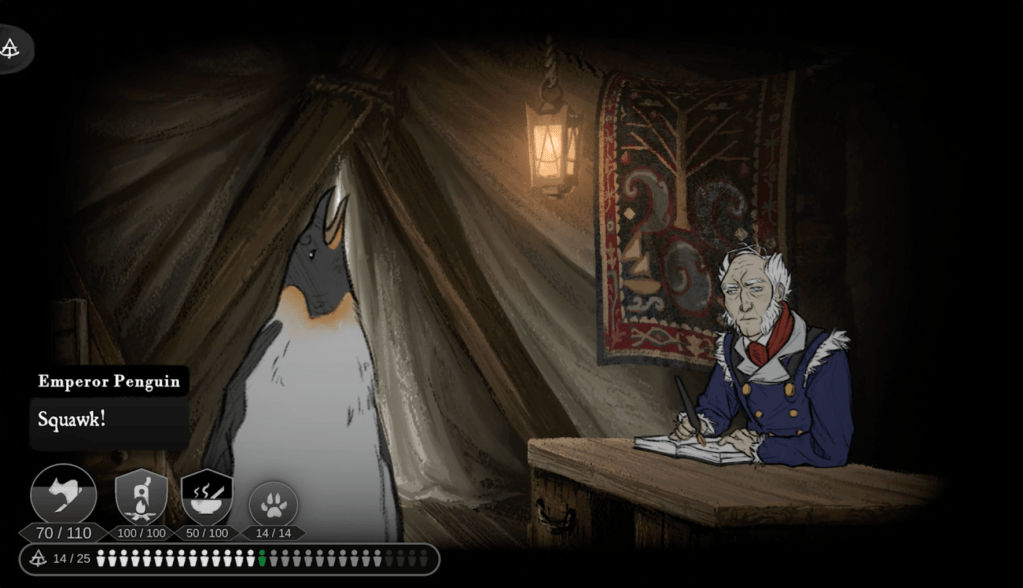
The pillars for The Pale Beyond were the secret sauce to making all the pieces fit together – and in fact are probably the main reason our first game was any good at all. Having the narrative, mechanics, art and audio all referring to the pillars meant that they didn’t compete with each other to muddy the message. In Pale, our first pillar was Every Decision Has a Face, meaning you had to look at the character your choices were affecting every time we asked you to make a choice. This lead to a player experience that focused heavily on the crew as individual people as opposed to just numbers, and this guided how we presented those choices. Every Decision Has a Face was the foundation of the Requests loop, was the reason character design was so important. Ultimately we feel this is likely why we had a cast the players became so attached to!
When it came to designing The Hearth and Harbour, pillars were one of the first things we wanted to get right. Figuring them out early on would help us to focus production, and would make it much easier to make decisions we knew would benefit the game rather than taking away from the core ideas. We were interested in the idea of a game where the player built a warm oasis in a cold, impersonal city for people to come together. From our past experiences as service workers ourselves, and as people who currently work in making things for people (you! players!), we decided that Hearth was about service – using food as a way to foster community around you.
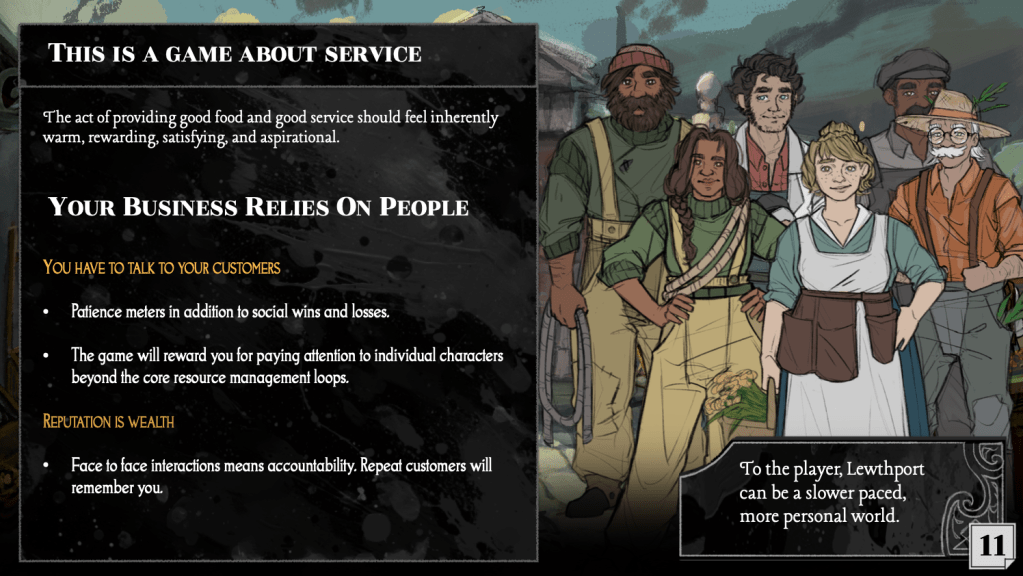
Our pillars became:
Serving people is caring and humanising
- The world grows ever after, be it war or industrialisation, the people of Lewthport’s sense of individuality is eroded day by day. Under your roof, however, the time and care you take for each and every person, will show them that they matter.
Community can foster the best in people
- Not everyone who eats at your greasy spoon would be easy friends alone, but they have the love of food in common. When you share a place and eat together, a better part of human nature can rise to the surface
“No man is a failure who has friends”
- (The Greatest Gift – Philip Van Doren Stern) Money problems bury you, but your way out of the trouble won’t need to be alone. The community will support you as you have supported them.
Where Pale was a narrative-first production, Hearth is very much mechanics-first, and knowing these principles helped us design what was important to the game early on. In a game about people, ensuring that the customers you served were their own characters was essential, so everyone you meet is a unique design. All 70 of them have personalities and preferences, and many of them have relationship pathways – some potentially intimate (eyes emoji)… It was also important that any favour you gained with those around you was meaningful, so the stronger your community, the more people are willing to help you out, to offer you boons to gameplay (discounts or service perks) or shield you from consequences (coming to your aid if you’re low on rent).
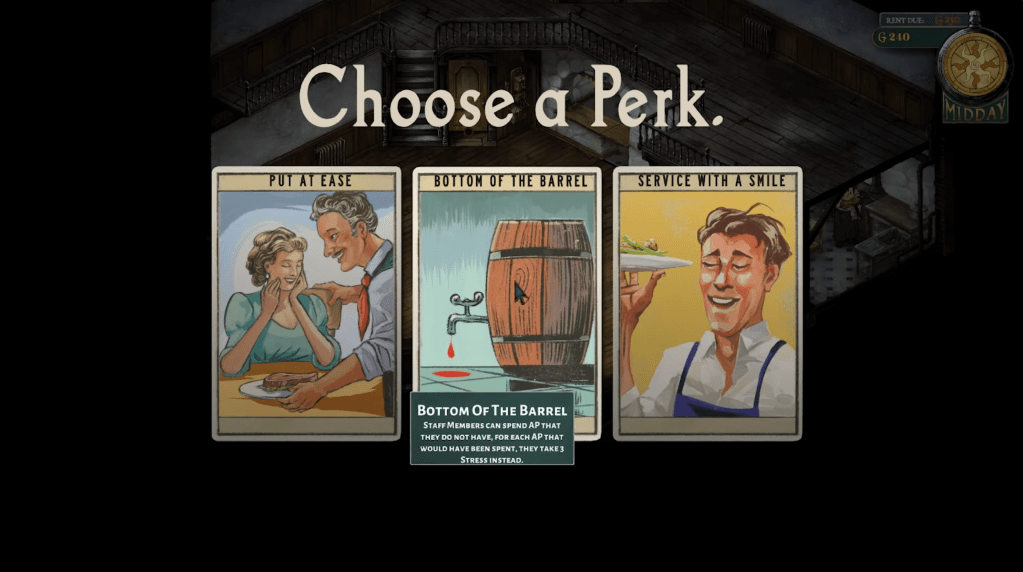
We hope that by considering our pillars in our gameplay, narrative, art and audio, the game will come together in a way that’s thematically and experientially consistent. And that in doing so, we will be able to get across the feelings we’re hoping to – that the player themselves can become a pillar (ha) of their community, and in serving people and making them feel important, they’ll have it returned to them in kind.
And of course, we hope the game is fun. That is much trickier and finicky-er to get right though.
Love,
– Jess (Art Director)
PS: Apologies for this letter being a little late – the Gods above saw it fit to strike us down for the hubris of wanting to make video games, and about half the team have been sick on and off for the past two weeks. In other words, it’s winter, and it gets dark at 3pm and our immune systems are vulnerable.
Hopefully the Yule Feasts will heal us, and we’ll be back on the gaming-chair horse soon enough.
Thanks so much for your support, from The Pale Beyond to The Hearth and Harbour, and hopefully, beyond.
 saltstonestudios.com